
top of page

As the vibrant greens of summer begin to fade, homeowners and property managers in the Northeast often overlook the opportunity to rejuvenate their lawns in the fall. Now is the perfect time to take action, with core aeration, overseeding, and slit seeding being crucial steps to revive your turf. Not only will these practices enhance the overall health of your lawn, but they will also prepare it to withstand the challenges posed by changing climate conditions, especially drought.


Why Fall Is the Ideal Time for Lawn Revitalization


Fall is unique in that the weather becomes cooler and wetter, creating optimal conditions for lawn growth. The soil remains warm, allowing grass seeds to germinate effectively while cooler air temperatures prevent heat stress. Core aeration, overseeding, and slit seeding are essential techniques that can wake up your lawn and promote lush growth in the following spring.


Core aeration involves removing small plugs of soil from the lawn, which alleviates compaction. This process allows air, water, and nutrients to penetrate the soil more efficiently, fostering healthier roots. Adding overseeding and slit seeding on top of this ensures that your lawn is not only thicker but also better equipped to handle environmental stressors.


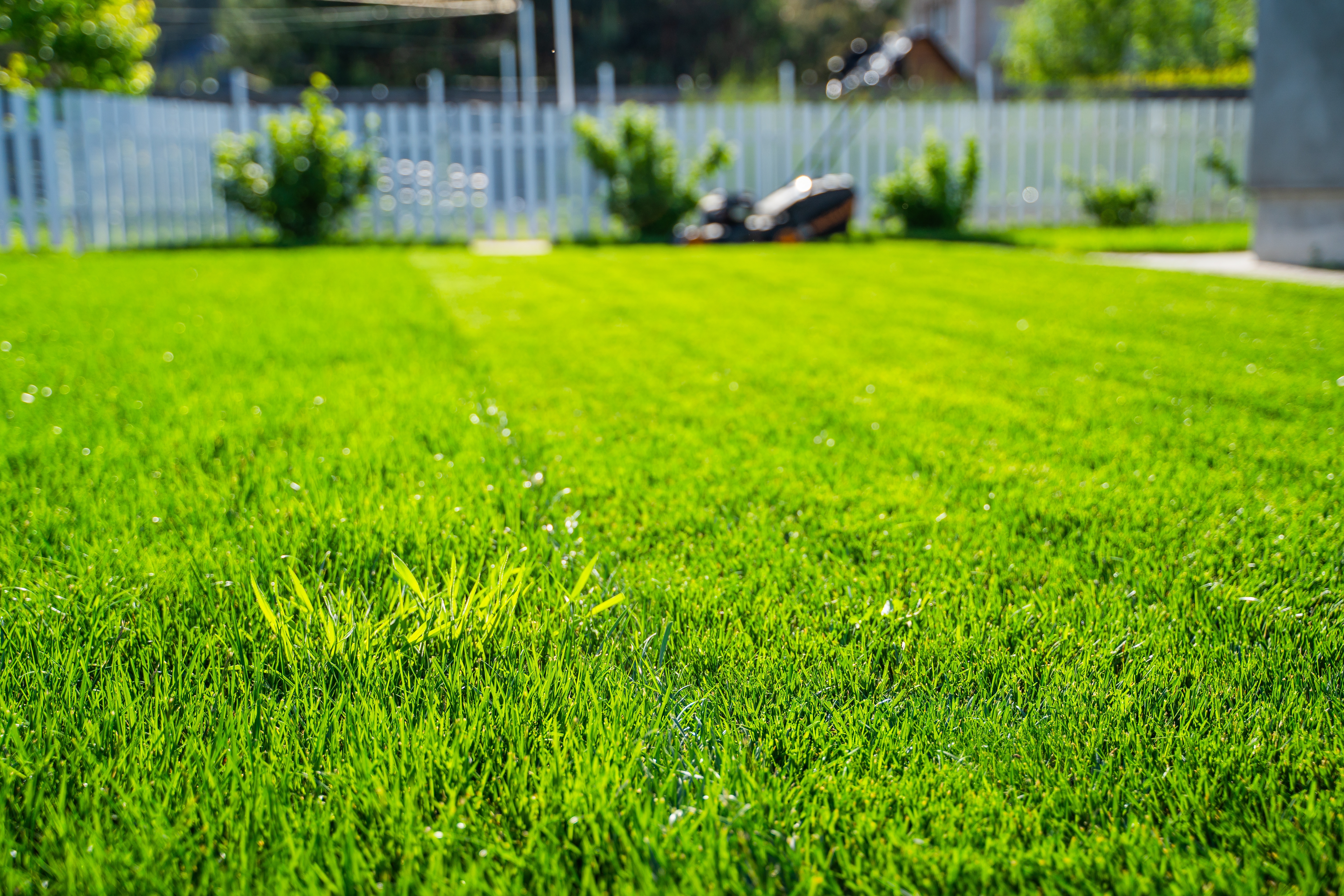
Close-up view of a lawn after core aeration process
Close-up view of a lawn after core aeration process.

The Challenges of Drought in the Northeast


The Northeast has not been immune to the growing issue of drought. As climate patterns shift, we see more extended periods without rain, impacting not only well-established landscapes but also new lawns. Homeowners should be proactive and consider drought-resistant grasses to keep their lawns vibrant even during dry spells.


Drought-resistant grass types can survive with less water and have deeper root systems that tap into moisture deeper within the soil. Moreover, these grasses require less frequent mowing and fertilization, ultimately saving you time and money in the long run.


The Resilience of Tall Fescue and Blue Tag Tall Fescue


Among the drought-resistant grass varieties, tall fescue is gaining popularity in the Northeast. Its ability to withstand heat and drought while remaining lush and green makes it an ideal choice for homeowners in regions prone to water restrictions. Blue tag tall fescue, in particular, has become a standout option.


This specific variety boasts stronger drought tolerance and improved disease resistance compared to other grasses. Scientific research supports the effectiveness of blue tag tall fescue, which has proven time and again to be the best choice for lawns facing water challenges.


Eye-level view of lush turf with drought-resistant grass
A green lawn in the process of slit seeding, showing freshly cut slits for seed placement to promote healthier turf growth.

The Right Techniques for a Thriving Lawn


Core Aeration


The process of core aeration involves using a specialized machine to remove plugs of soil from the lawn. This process is vital, especially for compacted areas. When soil is compacted, water and nutrients struggle to reach the root zone, leading to stressed and unhealthy grass. Aerating your lawn not only relieves compaction but also encourages deeper root growth.


Overseeding


Once aeration is complete, it's time for overseeding. This technique involves spreading grass seed over the existing lawn to fill in bare spots and improve overall density. By using drought-resistant grass varieties like blue tag tall fescue, you can increase your lawn's resilience during challenging weather conditions.


Slit Seeding


Slit seeding is another effective method that involves cutting grooves into the soil and placing seeds directly in those grooves. This approach not only increases seed-to-soil contact but also improves germination rates. Like overseeding, slit seeding is highly beneficial for areas that require rejuvenation.


High angle view of freshly seeded lawn in fall
High angle view of freshly seeded lawn in fall.

Turning Green LLC: Your Lawn Care Partner


At Turning Green LLC, we specialize in offering organic lawn care methods designed to enhance the health and beauty of your landscape. Our team of experts is well-versed in core aeration, overseeding, and slit seeding, particularly focusing on the integration of drought-resistant grass types.


We take pride in our tailored solutions, ensuring that each lawn care plan meets the unique needs of our clients. With our expertise, you can trust that your lawn will be well-prepared to face future droughts.


If you’re unsure of where to begin, we invite you to contact us for a free lawn assessment. We’ll analyze your lawn’s current state and provide personalized fall lawn care solutions that best suit your environment and lifestyle.


Final Thoughts on Fall Lawn Care


As autumn approaches, remember that taking appropriate steps now can lead to a healthier, more vibrant lawn come spring. Core aeration, overseeding, and slit seeding using drought-resistant grasses like blue tag tall fescue allow you to build resilience against drought conditions and keep your lawn looking beautiful year-round.


Don't put off these essential fall lawn services. Connect with us at Turning Green LLC today for a comprehensive assessment and specialized recommendations tailored to your lawn's needs. Your lawn deserves to thrive even through the toughest conditions. Let us help you make that happen!


As autumn paints the landscape with rich colors, gardeners face a pressing challenge: hungry deer. These graceful creatures become more active during this season, often encroaching on gardens in search of food. With the days growing cooler and shorter, deer may cause significant damage to your carefully nurtured plants. In this post, we will discuss effective strategies to protect your garden and ensure your plants thrive through the fall months.


Close-up view of a deer grazing in a garden
A deer munching on garden plants

Understanding Deer Behavior in Autumn


During autumn, deer are drawn to succulent plants that provide nourishment and shelter. As they prepare for winter, they actively seek tender shoots, buds, and the foliage of flowering shrubs. This often includes the plants you rely on for beauty and privacy.


With school back in session and families spending less time in their yards, deer can quietly roam through gardens, leading to potential devastation. Recognizing these behaviors will help you implement effective strategies to prevent deer damage to your plants.


High angle view of a garden with protective fencing
A fenced garden to keep deer out

Effective Strategies for Deer Plant Damage Prevention


1. Fencing Solutions


Installing a robust fence is one of the best ways to keep deer out of your garden. A fence at least 8 feet tall can deter even the most determined deer. Materials like wood, vinyl, or wire mesh work well.


If a full fence isn’t practical, consider smaller enclosures around vulnerable plants. For example, using wire mesh to create a dome over a vegetable patch can keep deer from reaching your crops, allowing you to enjoy your garden with peace of mind.


2. Plant Selection


Choosing deer-resistant plants is another effective strategy. While no plant is entirely deer-proof, some are less appealing. For instance, lavender, sage, and marigolds have strong scents that deer usually avoid.


You might also plant prickly varieties like barberries or junipers. Statistics show that gardens with a variety of these plants experience up to a 70% reduction in deer visitation, creating a more resilient and attractive garden.


Eye-level view of a garden with deer-resistant plants
A deer grazes among the autumn leaves, enjoying nuts beneath the vibrant canopy of fall colors.

3. Natural Deterrents


Deer & Rabbit Plant Damaged Prevention
15
Book Now

Natural deterrents can effectively keep deer away from your garden. Spraying your plants with a mixture of water, garlic, and hot pepper creates an unpleasant experience for deer.


Additionally, using items like human hair, soap shavings, or predator urine can signal danger to deer. Many gardeners report that using these natural repellents reduces deer visits by nearly 60%, making them a cost-effective way to protect your plants.


4. Motion-Activated Devices


Incorporating technology into your deer prevention plan can yield impressive results. Motion-activated sprinklers or noise devices can startle deer and deter them from entering your garden.


These devices do more than protect your plants; they can also add an element of surprise to your gardening experience. For optimal results, place them where deer commonly enter your yard.


5. Regular Maintenance


Regular maintenance is vital for minimizing deer damage. Trim back overgrown plants and remove fallen fruits or vegetables, which can attract deer.


By keeping your garden organized and well-maintained, you can significantly reduce the chance of attracting deer. Consider rotating your plants or changing their locations each season. This keeps the environment fresh and unpredictable for visiting deer.


Final Thoughts


As autumn arrives and deer become more active, it's crucial for gardeners to take steps to safeguard their plants. By understanding deer behavior and employing strategies like fencing, choosing deer-resistant plants, using natural deterrents, integrating motion-activated devices, and maintaining your garden, you can protect your landscape from hungry deer.


With some effort and creativity, you can savor the beauty of your garden during the fall months without the concern of deer damage. Embrace the season and take pride in your gardening skills, knowing you have equipped yourself to maintain a thriving outdoor space. Happy gardening!


  • Writer: Oscar Melchor
    Oscar Melchor
  • Aug 28
  • 4 min read

Pests can be a major nuisance in homes and gardens, causing damage to plants, property, and even health. However, many traditional pest control methods rely on harsh chemicals that can harm the environment, beneficial insects, and even humans. Fortunately, there are sustainable pest solutions that effectively keep pests at bay while protecting the planet. This article explores practical, eco-friendly strategies to manage pests sustainably.


Understanding Sustainable Pest Solutions


Sustainable pest solutions focus on long-term pest management by using natural, non-toxic methods that minimize environmental impact. These approaches emphasize prevention, habitat management, and biological controls rather than relying solely on chemical pesticides.


Some key principles of sustainable pest control include:


  • Prevention: Reducing pest access to food, water, and shelter.

  • Monitoring: Regularly checking for pest presence to catch problems early.

  • Biological control: Encouraging natural predators like ladybugs and birds.

  • Cultural practices: Crop rotation, companion planting, and soil health improvement.

  • Mechanical control: Physical barriers, traps, and manual removal.


By integrating these methods, you can create a balanced ecosystem that naturally limits pest populations.


Close-up view of garden with natural pest control plants
Garden with natural pest control plants

Close-up view of garden with natural pest control plants


Practical Sustainable Pest Solutions for Your Home and Garden


Implementing sustainable pest solutions can be straightforward and cost-effective. Here are some actionable recommendations:


1. Use Companion Planting


Certain plants naturally repel pests or attract beneficial insects. For example:


  • Marigolds deter aphids and nematodes.

  • Basil repels mosquitoes and flies.

  • Nasturtiums attract aphids away from other plants.


Planting these alongside vegetables and flowers can reduce pest damage without chemicals.


2. Encourage Beneficial Insects


Ladybugs, lacewings, and predatory wasps feed on common pests like aphids and caterpillars. To attract them:


  • Plant nectar-rich flowers such as dill, fennel, and yarrow.

  • Avoid broad-spectrum insecticides that kill beneficial insects.

  • Provide shelter with small piles of leaves or brush.


3. Create Physical Barriers


Use row covers, netting, or collars around plants to prevent pests from reaching them. For example:


  • Floating row covers protect crops from flying insects.

  • Copper tape can deter slugs and snails.

  • Sticky traps catch flying pests before they lay eggs.


4. Maintain Healthy Soil


Healthy soil supports strong plants that resist pests better. Improve soil by:


  • Adding organic compost.

  • Practicing crop rotation to prevent pest buildup.

  • Avoiding over-fertilization, which can attract pests.


5. Use Natural Repellents and Traps


Natural substances like neem oil, garlic spray, and diatomaceous earth can deter or kill pests without harming the environment. Homemade traps using sugar water or vinegar can catch flies and ants.


6. Manage Water Wisely


Standing water attracts mosquitoes and other pests. Fix leaks, remove containers that collect water, and use drip irrigation to reduce excess moisture.


Eye-level view of garden bed with companion plants and natural pest barriers
Garden bed with companion plants and natural pest barriers

Eye-level view of garden bed with companion plants and natural pest barriers


What is the Most Environmentally Friendly Method for Controlling Pests?


The most environmentally friendly pest control method is Integrated Pest Management (IPM). IPM combines multiple sustainable strategies to manage pests effectively with minimal environmental impact. It involves:


  • Monitoring pest populations to determine if and when control is needed.

  • Setting action thresholds to avoid unnecessary interventions.

  • Using cultural, mechanical, and biological controls as first options.

  • Applying chemical controls only as a last resort, and choosing the least toxic options.


IPM is adaptable to different environments and pest problems, making it a cornerstone of sustainable pest solutions.


For example, a gardener practicing IPM might:


  • Regularly inspect plants for early signs of pests.

  • Introduce ladybugs to control aphids.

  • Use row covers to protect seedlings.

  • Apply neem oil only if pest levels exceed a certain threshold.


This approach reduces chemical use, protects beneficial organisms, and promotes long-term pest control.


High angle view of integrated pest management garden with diverse plants
Integrated pest management garden with diverse plants

High angle view of integrated pest management garden with diverse plants


Additional Tips for Sustainable Pest Management


Beyond the core methods, consider these tips to enhance your sustainable pest control efforts:


  • Keep your garden clean: Remove dead plants and debris where pests can hide.

  • Rotate crops annually: This disrupts pest life cycles.

  • Choose pest-resistant plant varieties: Many seeds and plants are bred for natural resistance.

  • Use mulch: Mulching suppresses weeds and maintains soil moisture, reducing stress on plants.

  • Educate yourself: Learn about local pests and their natural predators.


If you are dealing with specific pests like deer, consider using eco-friendly pest control products designed to repel them without harmful chemicals.


Embracing Sustainable Pest Solutions for a Healthier Environment


Adopting sustainable pest solutions benefits not only your garden or home but also the broader environment. By reducing reliance on chemical pesticides, you protect pollinators, wildlife, and water quality. Sustainable pest management also promotes biodiversity and soil health, creating a resilient ecosystem.


Whether you are a homeowner, gardener, or farmer, integrating these eco-conscious practices can lead to healthier plants and a safer environment. Start small by implementing one or two strategies and gradually build a comprehensive pest management plan that works for your space.


Sustainable pest solutions are a win-win - effective pest control that respects nature and supports long-term ecological balance. Embrace these methods today and enjoy a thriving, pest-resilient environment.


bottom of page